The analysis of organisms from different trophic levels allows the assessment of the accumulation pattern of substances in the food web. Lead is not enriched in the marine food web. Highest levels are found in blue mussels. In contrast, mercury is clearly biomagnified with highest concentrations in herring gull eggs.
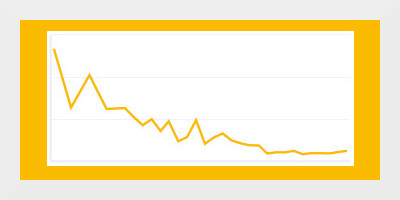
Blue mussels from the North Sea sampling sites Eckwarderhörne (Jadebay) and Südlich Lister Hafen/Königshafen (Sylt-Römö-Watt) have significantly higher mercury and arsenic contents compared to mussels from the Baltic Sea sampling site Darßer Ort. In contrast, cadmium levels are higher in Baltic Sea mussels. Lead concentrations are more or less the same in blue mussels from the sampling sites Darßer Ort and Eckwarderhörne whereas lower levels are observed in mussels from the Sylt-Römö-Watt. While nearly constant burdens are detected in mussels from Eckwarderhörne and Darßer Ort, concentrations of cadmium, mercury and arsenic have increased in mussels from the Sylt-Römö-Watt since the mid 1980s.
Blue mussels from both North Sea sites exceed the OSPAR background concentrations for cadmium, lead and mercury. Respective background concentrations for Baltic Sea mussels are not available yet.
Significant difference in barium levels of bladder wrack from the North and Baltic Seas.
Off one of the most beautiful German islands samples of bladder wrack and blue mussels are taken in the Wadden Sea in December. To capture the seasonal variation of the pollutants, the Environmental Specimen Bank is on-site every two month and collects samples for their archives and investigations.
The final report of a retrospective study presents the contamination of fish with perfluorinated compounds. The samples originated from marine and surface waters and were collected by the German en... - more...